Viewing without Art Historical Baggage

As a child–and even a college student–I relished art museums as places where I could step away from day-to-day life and encounter other cultures, ideas, and beautiful objects. Since I began working in the art world, in my early twenties, this conception has steadily evolved. Where I once saw art museums as repositories for aesthetics (and could turn a blind eye to their inner workings), I now experience them as loaded places, filled with very distinct commentaries on public and private collecting, taste, and ongoing cultural agendas. To see museums as a series of definite calculated choices makes the art recede at times, and every time I visit a new art museum, the vista is no longer one of awe, but one of questions: Why did they acquire this and hang it here? Who donated to this exhibition and why? What is this museum’s overall collecting strategy?

To see art museums this way is not a bad thing, but it is a different thing. To regain some of that childlike wonder–and to remember why people love museums so–I occasionally have to go to a different type of museum altogether.

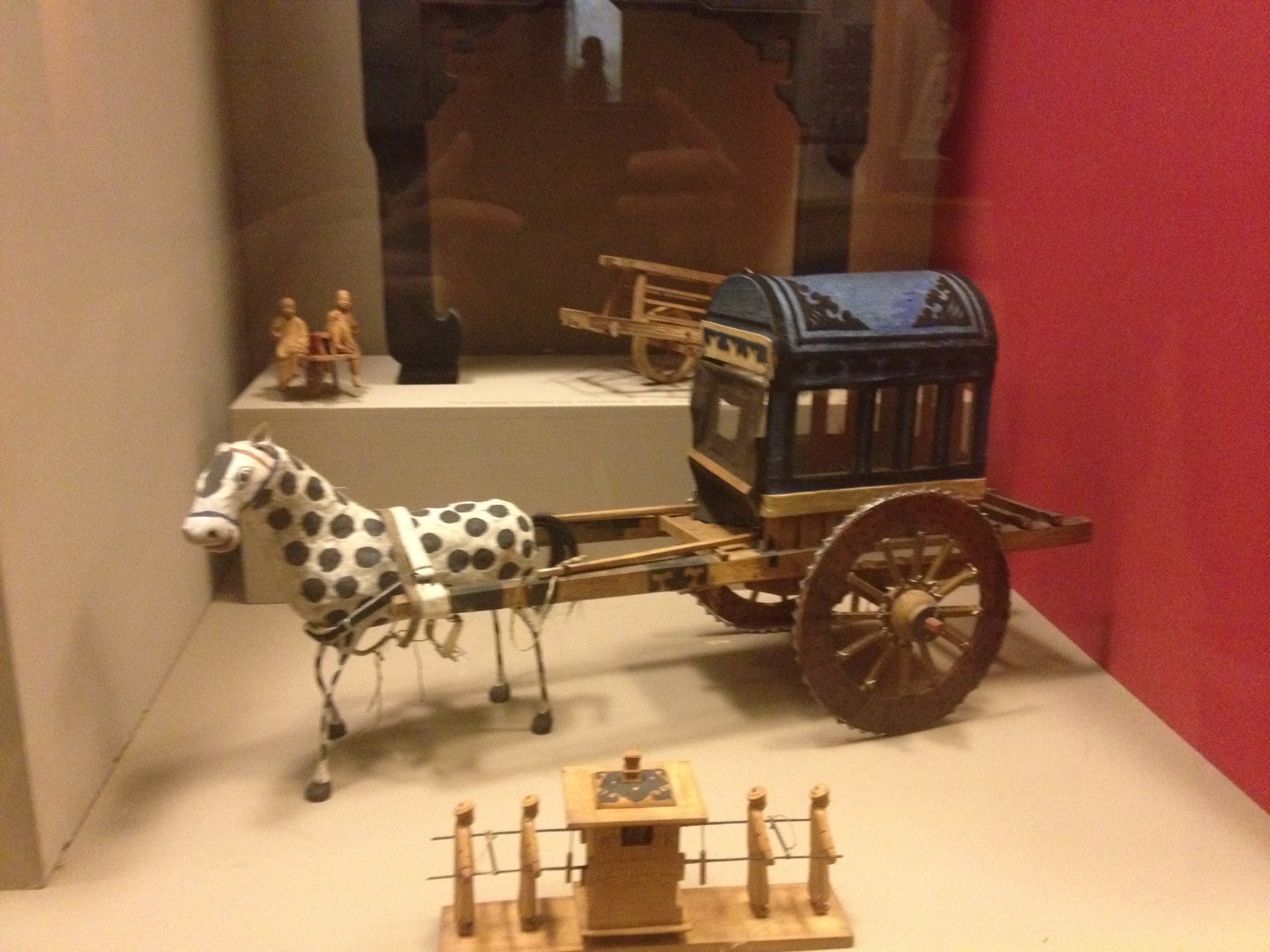
The American Museum of Natural History, in New York, always refreshes me. It reminds me of my childhood, when visits to such museums were a frequent enterprise, and it reminds me that aesthetic beauty can be found beyond the art world and in animals, plants, and everyday objects. More importantly, its collections are often so disconnected in style, subject, and approach that I do not even try to find the overarching theoretical agendas at play within the museum walls. I know that museums like AMNH are just as complicated as the art museums I visit all the time, but for some reason, the experience is just enough removed from my daily life that I can relax and suspend my questioning mind. I do not let myself focus on the ramifications of showing tribal art as ethnographic study material, and instead absorb the experience for what it is: a series of seemingly random displays of cultural, natural, and geological phenomena that, as a visitor, are a joy to discover. Below are a few of my favorite things at AMNH, spotted on a recent visit.
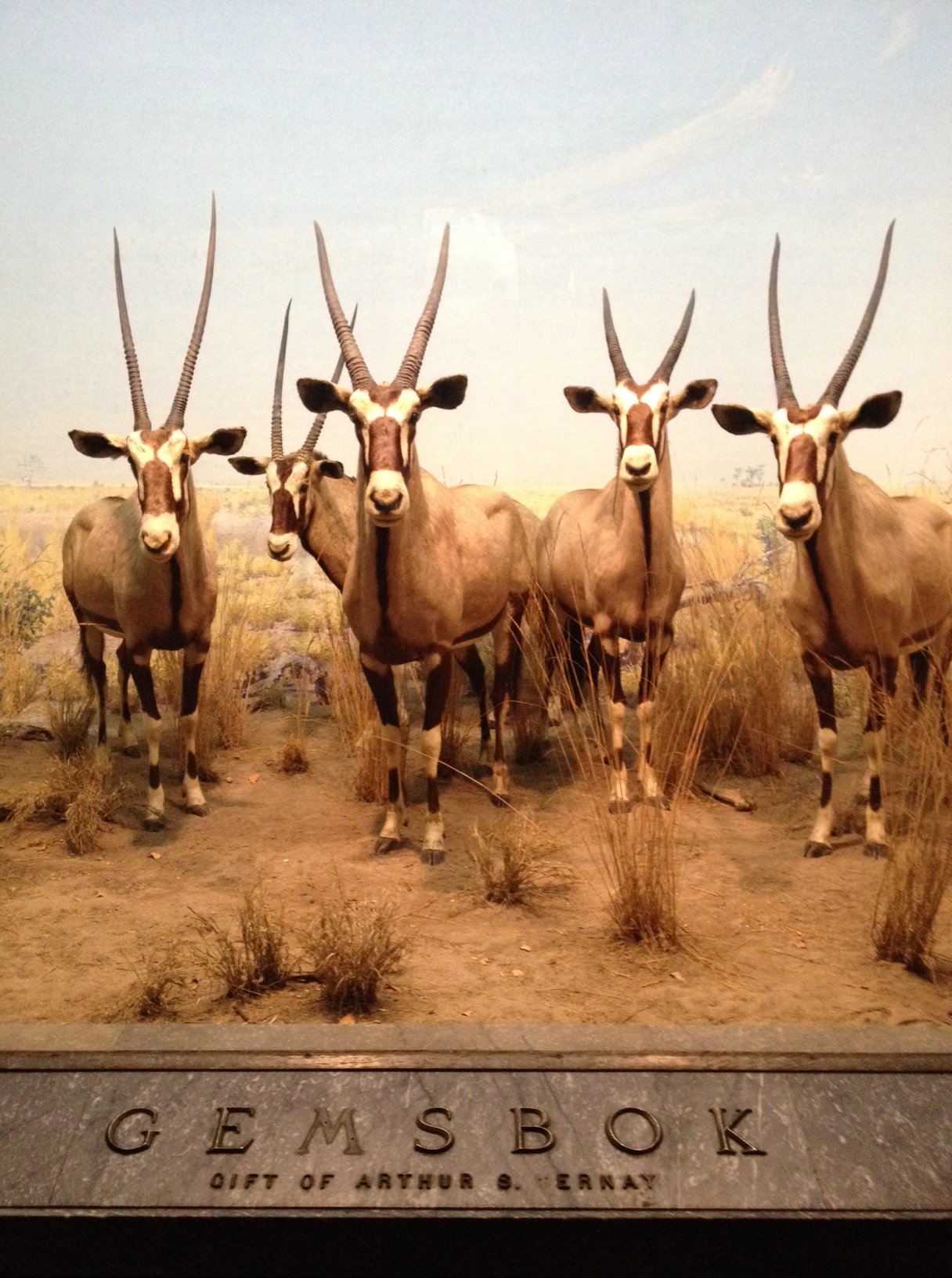
photo 2

photo 3

photo 4

photo 5

The Metro Show and Conversations on Collecting

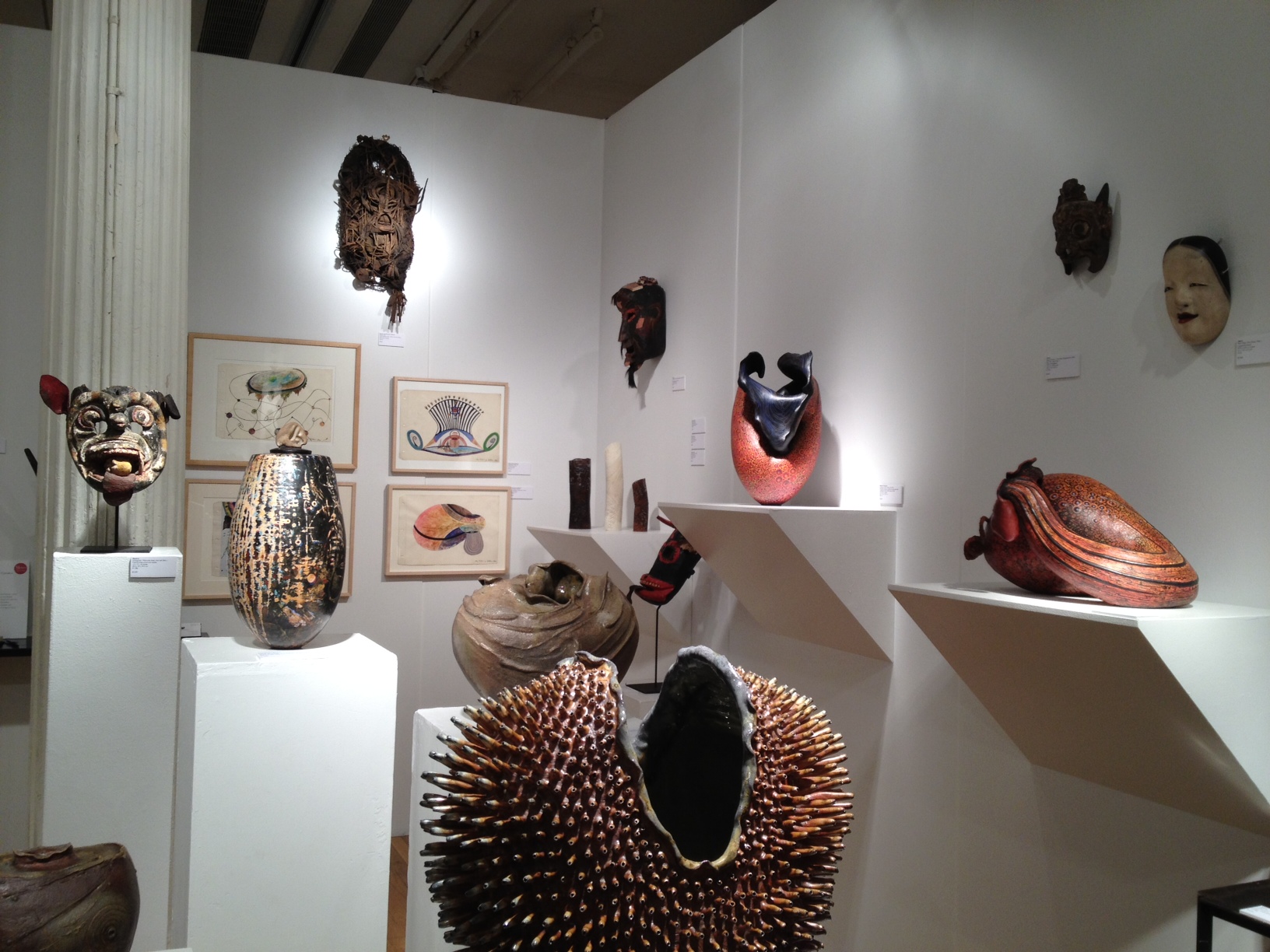
The annual Metro Show took place in NYC this past weekend. Still not sure of its overall identity, the fair hosted more than 35 dealers with a variety of specialties. Objects on view ranged from works of “old master” American outsider art, to Asian ceramics, to whittled walking sticks; each booth was its own microcosm of the art world. A few views (in the form of my less-than-stellar snapshots!):

photo 1

American Primitive Gallery’s display, which included stone carving, walking sticks, and works by collector and artist Mike Noland.

photo 2

Cavin Morris Gallery showed a range of ceramics, as well as works on paper by self-taught visionary artists.

photo 1

Ricco Maresca Gallery included some late works by Martín Ramírez alongside pieces by Bill Traylor.

photo 3

Susan Baerwald, of Just Folk Gallery, discussing Bill Traylor, the focus of their booth this year.

The portion of the weekend I was most involved in, however, was the series of lectures and panels that accompanied the art fair. Organized by Randall Morris, of Cavin Morris Gallery, this two-day conference included lectures by scholars, panels of curators, and talks by collectors. I participated in the panel “Life After Venice,” which considered the relevance and benefits of exhibiting works by mainstream and self-taught artists together, alongside fabulous curators Lynne Cooke, Massimiliano Gioni, and Leslie Umberger, and brilliant scholar and dealer Randall Morris. I also gave a lecture about the collection of outsider and vernacular art at the Philadelphia Museum of Art.

IMG_1819

Here’s a snapshot of me during my talk (thanks Maria!).

photo 2

And one of Randall Morris introducing the event.

photo 4

One of my favorite parts of the weekend was listening to John Foster talk about how he became a collector (seen in the above image). He believes that a collection need not be expensive to be important, and that objects of all types–and market values–should live happily together. I was particularly struck by the fact that he sees the world as a constant series of aesthetic explorations. He’s the sort of collector I aim to be, and aim to nurture!

Outsider Art and Americana at Sotheby’s and Christie’s

We are in the midst of Americana week in NYC, and that means some fabulous offerings at Christie’s and Sotheby’s. A few of my favorite objects in the upcoming sales:

photo 1

Three fantastic Bill Traylor works at Sotheby’s. I’m partial to the man with a cane (on the right)–I love the off-center placement of the figure on the card.

photo 2

Another, quite different offering at Sotheby’s: an early-19th-century manuscript booklet from Pennsylvania. What a spectacular “Rattle Snake” with legs!

photo 3

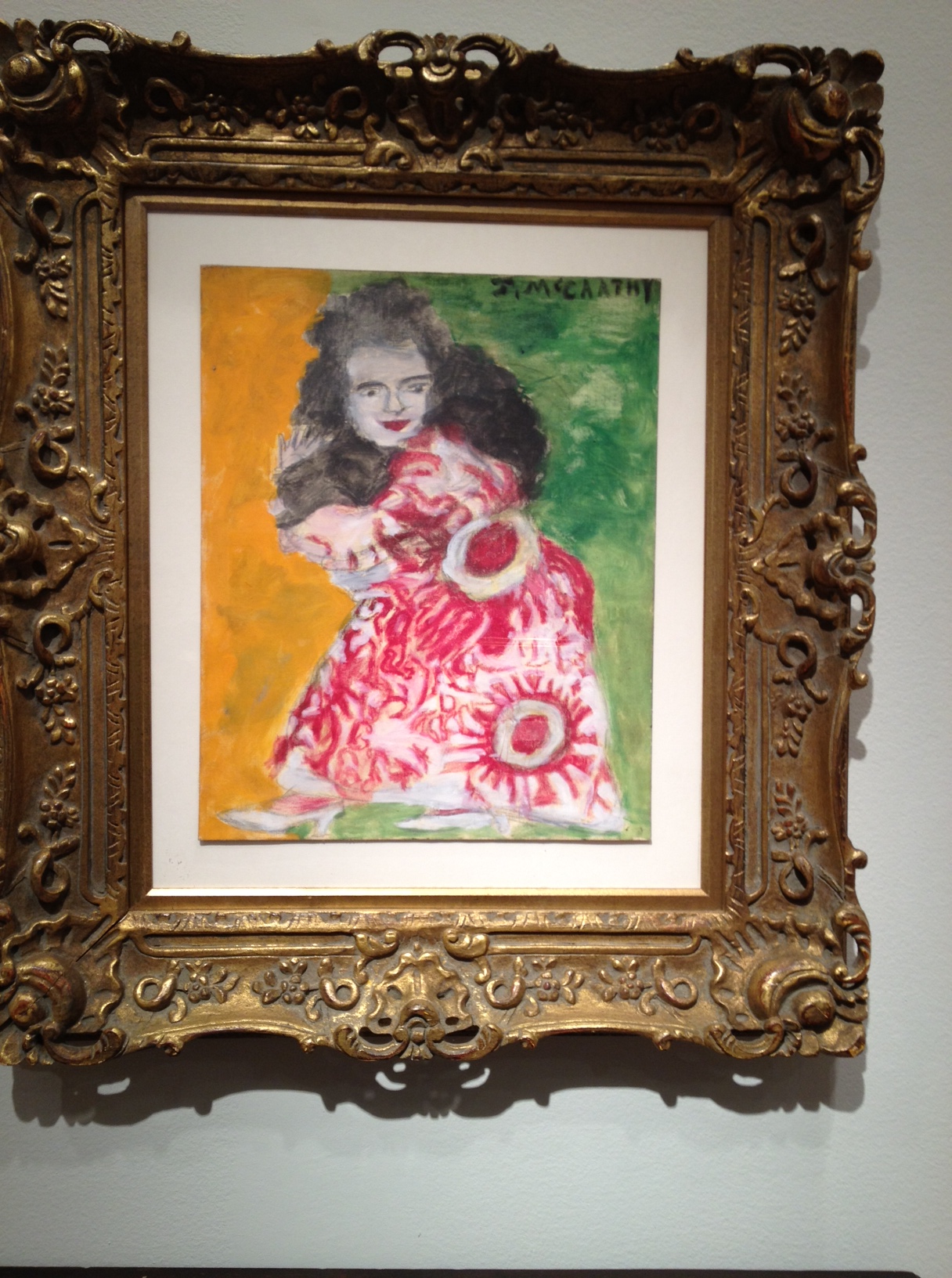
A delectable Justin McCarthy at Christie’s. I’m not usually a fan of this artist’s work, but the colors and textures on this piece really show how McCarthy internalized Impressionist ideas and made them his own.

photo 4

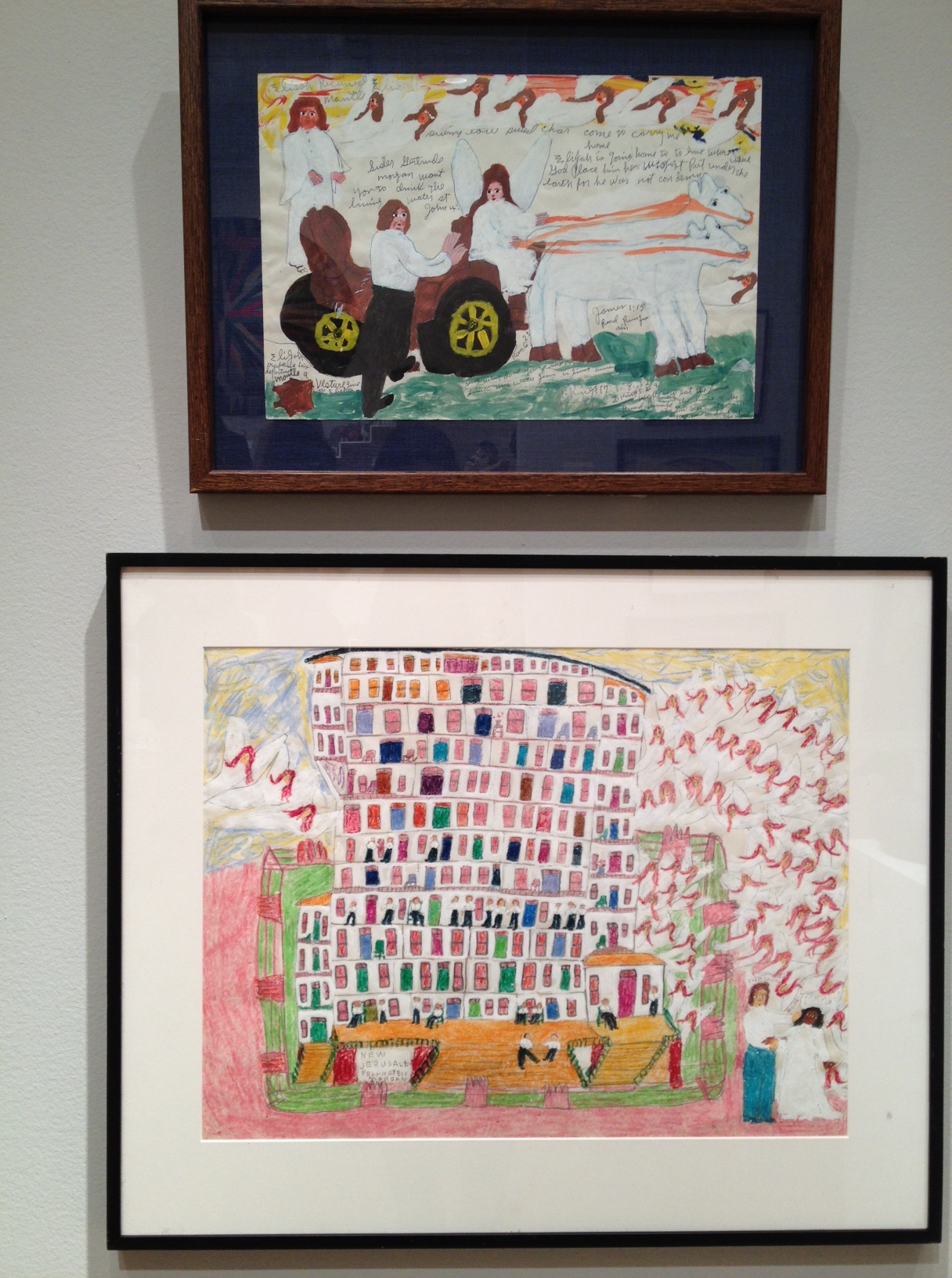
Again at Christie’s: two divine works by Sister Gertrude Morgan, representing the prophet Elijah (top) and New Jerusalem (bottom). Both demonstrate Morgan’s ability to combine religious messages with contemporary secular imagery and fantastical elements (An apartment complex surrounded by angels? Pretty fab!).

While I don’t believe that works by self-taught artists, including Traylor, McCarthy, and Morgan, should be considered “Americana,” I do believe that good art can hold its own in any number of settings. Pennsylvania German earthenware plates can live next to Bill Traylor’s modernist drawings. Sister Gertrude Morgan’s Elijah can hold interesting conversations with Chippendale tea tables.

UPDATE: The auctions went brilliantly! Works by well known outsider artists far surpassed estimates, showing that self-taught artists, and outsider art, really do have a place in the art world. The Bill Traylor works at Sotheby’s (pictured above in the original post) did especially well: the central piece, “Man with a Plow,” sold for $365,000 (inc. buyer’s fee), far above the projected 125,000-175,000. At Christie’s, a standout work was William Edmondson’s “Mother and Child,” which went for $263,000 (inc. fee). Its estimate was only 50,000-80,000. For complete auction results, check out the auction pages at Sotheby’s and Christie’s.